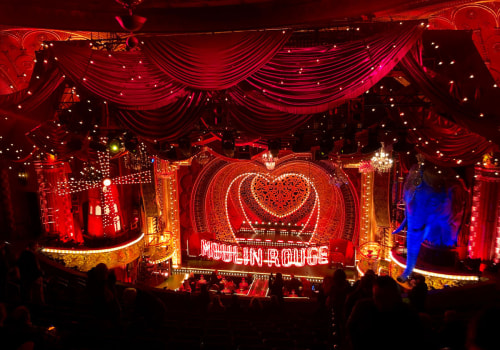
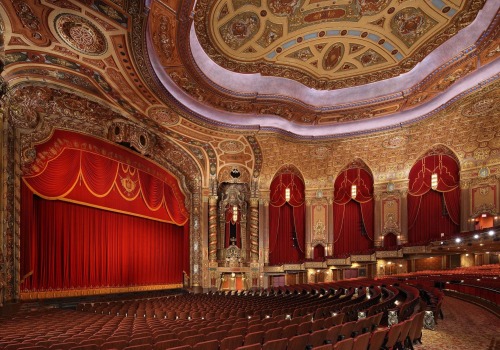
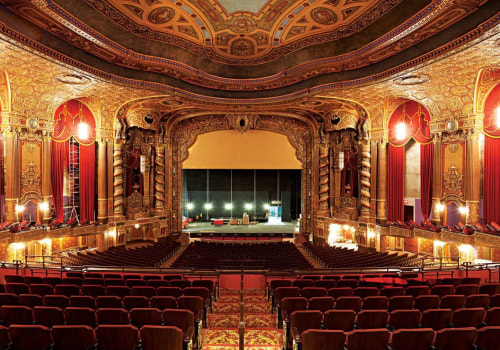
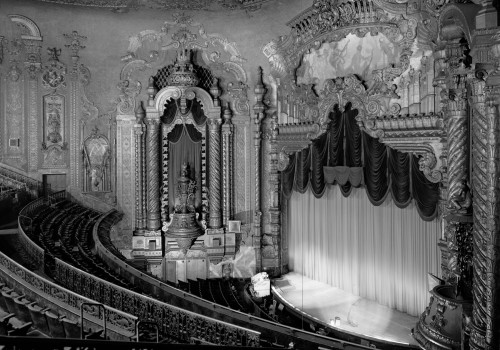
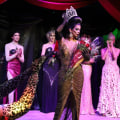
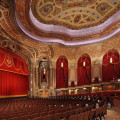
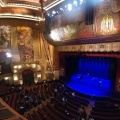
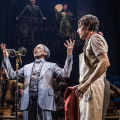
Brooklyn has long been recognized as one of New York City’s most dynamic cultural hubs, with a theatre community that reflects the borough’s creativity, diversity, and artistic experimentation. From intimate black box theatres to historic performing arts venues, Brooklyn offers audiences a wide spectrum of performances that range from contemporary drama and experimental productions to community-driven storytelling, often highlighting how art in public places can transform the urban landscape. Brooklyn has long been recognized as one of New York City’s most dynamic cultural hubs, with a theatre community that reflects the borough’s creativity, diversity, and artistic experimentation. From intimate black box theatres to historic performing arts venues, Brooklyn offers audiences a wide spectrum of performances that range from contemporary drama and experimental productions to community-driven storytelling, often highlighting how art in public places can transform the urban landscape.
Neighborhoods such as Williamsburg, Fort Greene, and Park Slope host a variety of independent theatre companies that provide emerging playwrights, actors, and directors a platform to showcase their work. Unlike the larger commercial productions commonly associated with Broadway in Manhattan, Brooklyn’s theatre scene often emphasizes grassroots creativity and authentic storytelling. Local venues frequently collaborate with community organizations, schools, and artists to produce performances that reflect the voices and experiences of the borough’s residents. This sense of accessibility and community involvement has helped Brooklyn cultivate a theatre culture that is both welcoming and deeply connected to the people who live there.The Role of Community Support in the Arts
For theatre to thrive in any community, it requires more than talented performers and passionate audiences. Strong local infrastructure—including education, public services, and accessible healthcare—plays a crucial role in sustaining artistic communities. Actors, stage crew members, writers, and other theatre professionals often work demanding schedules that include rehearsals, performances, and creative collaborations late into the evening. Maintaining physical and mental well-being becomes essential in such an environment, making reliable healthcare services a valuable resource for the arts community. In neighborhoods where artists live and work, having nearby medical providers allows individuals to address health concerns quickly so they can continue contributing to the creative ecosystem. Community-focused healthcare providers such as LocalMD Sunset Park help support residents by offering convenient access to medical care, ensuring that individuals working in creative fields can prioritize their health while maintaining active professional lives.
Healthcare Accessibility and Creative Communities
Accessible healthcare is not only important for individual well-being but also for the sustainability of cultural spaces. Theatres depend on healthy teams of performers, technicians, and staff who can consistently bring productions to life. When communities have dependable medical services within reach, residents—including artists and cultural workers—can manage preventive care, routine checkups, and unexpected health issues without disrupting their livelihoods. Brooklyn’s diverse population benefits greatly from neighborhood clinics that provide accessible and community-centered healthcare options. These services help reduce barriers such as long travel times, complicated appointment processes, or limited availability of medical professionals. For theatre artists who often juggle multiple jobs or freelance projects, having reliable healthcare nearby offers peace of mind and stability, allowing them to remain focused on their creative work.
A Balanced Community of Culture and Care
The connection between thriving arts communities and strong local support systems highlights how cultural vitality and public well-being often go hand in hand. Brooklyn’s theatre culture continues to flourish because it exists within neighborhoods that value both artistic expression and community care. When residents have access to cultural venues as well as essential services like healthcare, communities become more resilient, inclusive, and vibrant. Theatre audiences benefit from stories that reflect real experiences, while artists gain the stability they need to create meaningful work. As Brooklyn continues to grow and evolve, maintaining this balance between cultural enrichment and accessible healthcare will remain key to preserving the borough’s unique identity. Through the combined efforts of local theatres, community organizations, and neighborhood healthcare providers, Brooklyn demonstrates how creativity and community well-being can successfully support one another.